
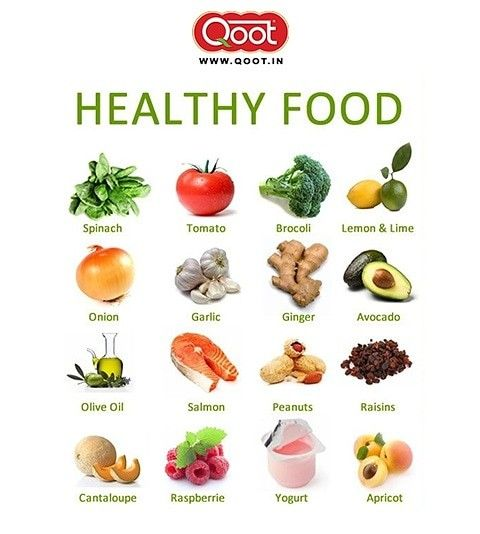
Introduction:
Food is far more than a basic necessity—it is the foundation of good health, physical strength, mental clarity, and emotional well-being. Every meal we consume provides nutrients that fuel our bodies, support vital functions, and influence our overall quality of life. In today’s fast-paced world, many people struggle to maintain a healthy diet while balancing work, family, and personal responsibilities.
The good news is that healthy eating does not require sacrificing flavor or enjoyment. By making smarter food choices, incorporating nutrient-rich ingredients, and practicing mindful eating habits, anyone can enjoy delicious meals while improving their health. Whether your goal is weight management, increased energy, better digestion, or long-term disease prevention, healthy food plays a crucial role in achieving these outcomes.
This comprehensive guide explores the importance of healthy eating, essential nutrients, superfoods, meal planning strategies, food trends, cooking tips, and practical advice for building sustainable eating habits that support a healthier and happier lifestyle.
Why Healthy Food Matters
Healthy eating is one of the most effective ways to improve overall wellness and reduce the risk of chronic illnesses. The foods we consume provide essential nutrients that help our bodies function properly every day.
Major Benefits of Healthy Eating
Improved Energy Levels Throughout the Day
Nutritious foods provide steady energy, helping reduce fatigue and maintain productivity.
Stronger Immune System Support
A balanced diet rich in vitamins, minerals, and antioxidants helps the body fight infections and illnesses.
Better Heart Health and Circulation
Healthy foods can help manage cholesterol levels, blood pressure, and cardiovascular health.
Enhanced Brain Function and Mental Clarity
Proper nutrition supports concentration, memory, and cognitive performance.
Healthy Weight Management
Balanced meals help regulate appetite and prevent overeating.
Long-Term Health Benefits
Consistent healthy eating habits can lower the risk of diabetes, obesity, heart disease, and other chronic conditions.
Key Takeaway
Making healthy food choices today can significantly impact your future health and overall well-being.
Essential Nutrients for a Balanced Diets
A balanced diet includes a variety of nutrients that work together to support optimal health.
Protein: The Building Block of Muscles, Tissues, and Body Repair Processes
Protein is essential for muscle growth, tissue repair, hormone production, and immune system function.
Best Sources of Protein
- Eggs
- Fish
- Chicken
- Turkey
- Lentils
- Beans
- Greek Yogurt
- Cottage Cheese
Healthy Carbohydrates: Providing Sustainable Energy for Daily Activities and Physical Performance
Healthy carbohydrates serve as the body’s primary energy source.
Recommended Carbohydrate Sources
- Brown Rice
- Oats
- Whole Wheat Bread
- Quinoa
- Sweet Potatoes
- Whole Grains
Healthy Fats: Supporting Brain Function, Hormone Production, and Cardiovascular Health
Not all fats are harmful. Healthy fats are essential for overall wellness.
Sources of Healthy Fats
- Avocados
- Almonds
- Walnuts
- Chia Seeds
- Flaxseeds
- Olive Oil
- Fatty Fish
Vitamins and Minerals: Supporting Growth, Immunity, and Vital Body Functions
Fresh fruits and vegetables contain essential micronutrients that support every system in the body.
Superfoods That Can Boost Nutrition Naturally
Superfoods are known for their exceptional nutritional value and health benefits.
Top Superfoods to Include in Your Diet
Blueberries
Rich in antioxidants that support brain and heart health.
Spinach
Provides iron, vitamins, and fiber.
Broccoli
Contains powerful compounds that support immune health.
Chia Seeds
Excellent source of omega-3 fatty acids and fiber.
Salmon
Rich in high-quality protein and healthy fats.
Greek Yogurt
Supports gut health through probiotics.
Benefits of Superfoods
- Improved immunity
- Better digestion
- Enhanced heart health
- Increased energy levels
- Stronger bones and muscles
Healthy Breakfast Ideas That Help You Start Your Day with Energy, Nutrition, Focus, and Balanced Nutrient Intake
Breakfast is often considered the most important meal of the day because it helps replenish energy after overnight fasting.
Nutritious Breakfast Options
Oatmeal with Fruits and Nuts
Provides fiber, vitamins, and healthy fats.
Whole-Grain Toast with Avocado
Combines healthy fats and complex carbohydrates.
Greek Yogurt with Fresh Berries
Offers protein, antioxidants, and probiotics.
Vegetable Omelet
Provides protein and essential nutrients.
Smoothie Bowls
A convenient and nutrient-packed breakfast choice.
Benefits of Eating a Healthy Breakfast
- Improved concentration
- Better energy levels
- Reduced cravings
- Enhanced metabolism
Popular Food Trends Shaping Modern Eating Habits and Influencing Consumer Choices Around the World
The food industry continues to evolve as consumers seek healthier and more sustainable options.
Plant-Based Diets
Plant-based eating focuses on fruits, vegetables, legumes, nuts, and whole grains.
Benefits
- Increased fiber intake
- Improved heart health
- Reduced environmental impact
Organic Foods
Organic foods are grown using natural farming practices.
Advantages
- Fewer synthetic chemicals
- Sustainable agriculture support
- Fresh ingredients
Mindful Eating
Mindful eating encourages awareness and appreciation of food.
Benefits
- Better digestion
- Improved portion control
- Greater meal satisfaction
Healthy Cooking Techniques That Preserve Nutrients While Enhancing Flavor and Improving Overall Meal Quality
Preparing meals at home gives greater control over ingredients and nutrition.
Choosing Fresh Ingredients
Fresh foods often contain more nutrients and better flavor than heavily processed alternatives.
Limiting Processed Foods
Reduce foods high in:
- Added sugars
- Artificial preservatives
- Excess sodium
- Trans fats
Best Cooking Methods
Grilling
Adds flavor while reducing excess fats.
Baking
Retains nutrients without requiring large amounts of oil.
Steaming
Preserves vitamins and minerals effectively.
Roasting
Enhances natural flavors while maintaining nutritional value.
Healthy Snacks for Busy Individuals Looking to Maintain Energy Levels, Improve Nutrition, and Avoid Unhealthy Cravings Throughout the Day
Smart snacking can support balanced nutrition and prevent overeating.
Recommended Healthy Snacks
Fresh Fruits
Natural source of vitamins and fiber.
Mixed Nuts
Provide healthy fats and protein.
Yogurt
Supports digestive health.
Vegetable Sticks with Hummus
Offers fiber and plant-based protein.
Whole-Grain Crackers
Provide long-lasting energy.
The Importance of Staying Hydrated for Better Digestion, Energy Production, Physical Performance, and Overall Health
Water plays a critical role in nearly every bodily function.
Benefits of Proper Hydration
Supports Digestion
Helps break down food and absorb nutrients.
Improves Skin Health
Supports healthy and hydrated skin.
Regulates Body Temperature
Essential during physical activity and warm weather.
Enhances Energy Levels
Dehydration can contribute to fatigue.
Supports Detoxification
Helps remove waste products from the body.
Common Healthy Eating Mistakes That Many People Make and Practical Ways to Avoid Them for Better Long-Term Results
Skipping Meals
Can lead to overeating later in the day.
Consuming Excess Sugar
May contribute to weight gain and energy crashes.
Ignoring Portion Sizes
Even healthy foods should be consumed in balanced amounts.
Not Drinking Enough Water
Can affect digestion and concentration.
Relying Too Much on Processed Foods
Often reduces overall nutritional quality.
Frequently Asked Questions (FAQ)
What Is the Healthiest Food to Eat Every Day?
A variety of fruits, vegetables, lean proteins, whole grains, and healthy fats is ideal.
How Can I Begin Eating Healthier?
Start with small changes such as increasing vegetable intake and reducing processed foods.
Are Superfoods Necessary?
Superfoods can be beneficial, but overall dietary balance is more important.
How Much Water Should I Drink Daily?
Hydration needs vary, but regular water intake throughout the day is recommended.
Is Healthy Eating Expensive?
Healthy eating can be affordable through meal planning and choosing seasonal produce.
Conclusion
Healthy eating is not about strict dieting or eliminating favorite foods. Instead, it focuses on creating a balanced relationship with food that supports both physical health and personal enjoyment. By choosing nutrient-rich ingredients, incorporating superfoods, staying hydrated, preparing meals at home, and practicing mindful eating, individuals can improve their quality of life and reduce the risk of chronic diseases.
The journey toward better health begins with small, consistent choices. Every nutritious meal contributes to stronger health, increased energy, improved well-being, and a more fulfilling lifestyle. Remember that healthy food can be both nutritious and delicious, making it possible to enjoy every bite while investing in a healthier future.