
Introduction
A healthy lifestyle starts with smart food choices. Following a meal plan for weight loss, choosing low calorie meals, and adding high protein snacks and low calorie snacks can help you achieve your fitness goals while maintaining energy and overall wellness.
Why a Proper Meal Plan Matters for Weight Loss
Losing weight is not about starving yourself or following extreme diets. Sustainable weight loss comes from creating healthy eating habits that provide your body with the nutrients it needs while maintaining a calorie deficit. A well-structured meal plan for weight loss helps control portions, reduce unhealthy cravings, and improve consistency.
Many people fail to lose weight because they skip meals or follow diets that are difficult to maintain. Instead, focusing on balanced nutrition can make the process easier and more enjoyable.
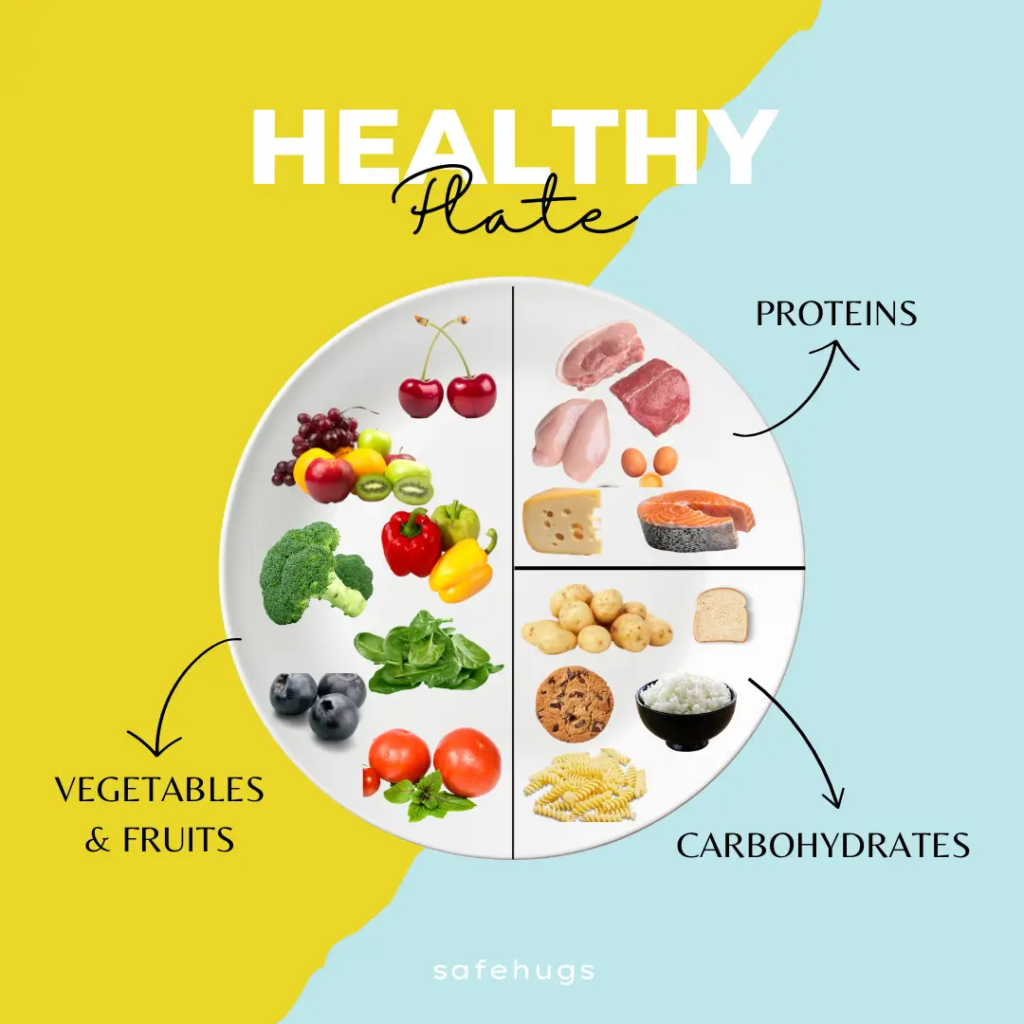
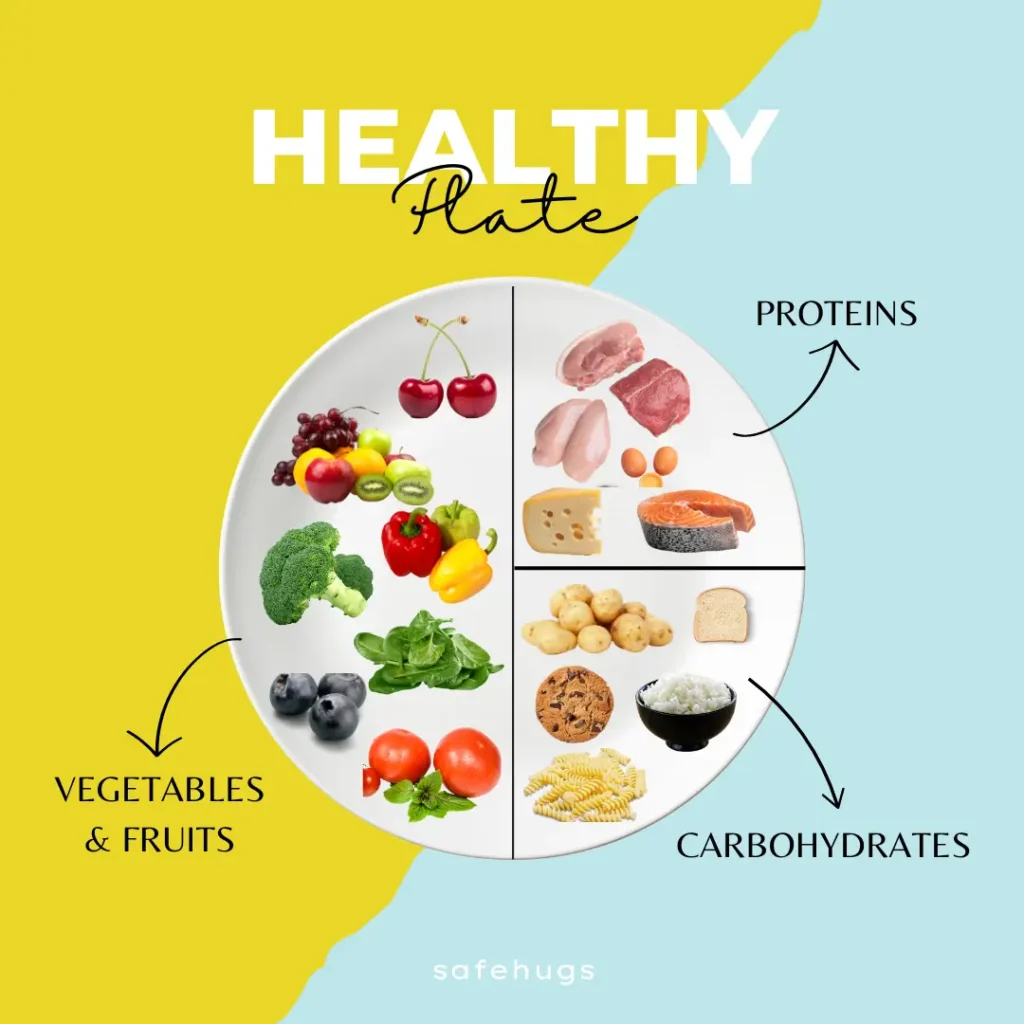
A successful meal plan for weight loss should include:
- Lean proteins
- Whole grains
- Fruits and vegetables
- Healthy fats
- Adequate hydration
These elements help keep you satisfied throughout the day while supporting healthy metabolism and energy levels.
Benefits of Low Calorie Meals
Choosing low calorie meals is one of the most effective ways to manage daily calorie intake without sacrificing nutrition. Low-calorie foods are often rich in vitamins, minerals, and fiber while being naturally lower in fat and sugar.
Some benefits include:
Better Weight Management
By eating low calorie meals, you can create a calorie deficit that encourages fat loss without feeling deprived.
Improved Digestion
Many low-calorie foods contain high amounts of fiber, which supports digestive health and promotes regular bowel movements.
Increased Energy Levels
Contrary to popular belief, healthy low calorie meals can provide steady energy throughout the day when they include quality carbohydrates, proteins, and healthy fats.
Reduced Risk of Chronic Diseases
A diet rich in vegetables, fruits, and lean proteins can lower the risk of obesity, heart disease, and type 2 diabetes.
The Importance of High Protein Snacks
Protein is one of the most important nutrients for weight management. Including high protein snacks throughout the day can help reduce hunger, preserve muscle mass, and support recovery after exercise.
Keeps You Fuller for Longer
Protein digests more slowly than carbohydrates, helping you stay satisfied between meals.
Supports Muscle Growth
Whether you’re exercising regularly or simply trying to maintain muscle while losing weight, high protein snacks provide essential amino acids needed for muscle repair.
Helps Control Cravings
Many unhealthy cravings occur because of fluctuating blood sugar levels. Protein-rich foods can help stabilize these fluctuations and reduce overeating.
Examples of healthy high protein snacks include:
- Greek yogurt
- Cottage cheese
- Boiled eggs
- Roasted chickpeas
- Protein smoothies
- Edamame
- Tuna packets
- Mixed nuts in moderation
Why Low Calorie Snacks Are Essential
Snacking often gets a bad reputation, but the right snacks can actually support weight loss goals. Choosing low calorie snacks can help prevent overeating during main meals while keeping hunger under control.
Healthy snack options include:
- Cucumber slices
- Carrot sticks
- Air-popped popcorn
- Apple slices
- Watermelon
- Celery sticks
- Cherry tomatoes
- Unsweetened yogurt
Adding low calorie snacks between meals can improve dietary adherence and reduce the temptation to consume high-calorie processed foods.
7-Day Meal Plan for Weight Loss
Day 1
Breakfast
Oatmeal with berries and chia seeds
Mid-Morning Snack
Greek yogurt as one of the best high protein snacks
Lunch
Grilled chicken salad with mixed vegetables
Afternoon Snack
Apple slices, one of the easiest low calorie snacks
Dinner
Baked fish with steamed broccoli and quinoa
Day 2
Breakfast
Vegetable omelet with whole-grain toast
Mid-Morning Snack
Boiled eggs
Lunch
Turkey wrap with fresh vegetables
Afternoon Snack
Carrot sticks
Dinner
Grilled chicken breast with roasted vegetables
Day 3
Breakfast
Smoothie with spinach, banana, and protein powder
Snack
Roasted chickpeas
Lunch
Quinoa salad with vegetables
Snack
Watermelon cubes
Dinner
Salmon with green beans
Day 4
Breakfast
Greek yogurt with fruit
Snack
Cottage cheese
Lunch
Chicken and vegetable soup
Snack
Cherry tomatoes
Dinner
Turkey meatballs with salad
Day 5
Breakfast
Overnight oats
Snack
Protein smoothie
Lunch
Grilled fish with vegetables
Snack
Cucumber slices
Dinner
Lean beef stir-fry
Day 6
Breakfast
Egg white scramble
Snack
Edamame
Lunch
Chicken quinoa bowl
Snack
Air-popped popcorn
Dinner
Baked salmon and vegetables
Day 7
Breakfast
Whole-grain toast with avocado and eggs
Snack
Greek yogurt
Lunch
Turkey salad
Snack
Apple slices
Dinner
Grilled chicken with steamed vegetables
Best Foods to Include in Your Weight Loss Diet
Lean Proteins
Protein-rich foods help build muscle and improve satiety.
Examples include:
- Chicken breast
- Turkey
- Fish
- Eggs
- Greek yogurt
- Tofu
Vegetables
Vegetables are naturally low in calories and rich in nutrients.
Examples include:
- Broccoli
- Spinach
- Kale
- Cabbage
- Cucumbers
- Bell peppers
Fruits
Fruits provide vitamins, minerals, and fiber.
Examples include:
- Apples
- Berries
- Watermelon
- Oranges
- Grapefruit
Whole Grains
Whole grains provide long-lasting energy.
Examples include:
- Oats
- Brown rice
- Quinoa
- Whole wheat bread
Common Mistakes to Avoid
Skipping Meals
Skipping meals can increase hunger and lead to overeating later.
Ignoring Protein Intake
Not consuming enough protein can result in muscle loss and increased cravings.
Drinking Calories
Sugary beverages can significantly increase calorie intake without providing satiety.
Relying on Processed Diet Foods
Many marketed diet products contain hidden sugars and additives.
Unrealistic Expectations
Healthy weight loss takes time. Focus on consistency rather than quick results.
Tips for Long-Term Success
- Plan meals in advance.
- Stay hydrated throughout the day.
- Include regular physical activity.
- Prioritize sleep and stress management.
- Track your progress.
- Focus on sustainable habits.
Combining a structured meal plan for weight loss with nutrient-dense foods creates a foundation for lasting results.
Frequently Asked Questions(FAQ)
What makes a healthy eating plan effective?
A healthy eating plan focuses on balanced nutrition, portion control, and consistency rather than extreme restrictions.
Are low calorie meals effective for weight management?
Yes. When balanced and nutrient-rich, they can help reduce overall calorie intake while supporting fullness and nutrition.
Why do people choose high protein snacks?
Protein-rich snacks help control hunger, support muscle maintenance, and improve satiety.
Are low calorie snacks beneficial?
Yes. They can help manage hunger between meals while limiting unnecessary calorie consumption.
How important is hydration?
Hydration supports digestion, energy levels, and overall health.
Can exercise improve results?
Yes. Combining healthy eating with regular physical activity can support better long-term outcomes.
Conclusion
Achieving your health goals becomes easier when you follow a balanced meal plan for weight loss, enjoy nutritious low calorie meals, and include satisfying high protein snacks and healthy low calorie snacks throughout the day. By making smart food choices and maintaining consistency, you can improve your overall health, support weight loss, and build sustainable habits that last for years. For more expert health, nutrition, and wellness guidance, visit Mihul Best Tech Courses and explore additional resources to support your healthy lifestyle journey.